You find a flight for €49.
Excellent.
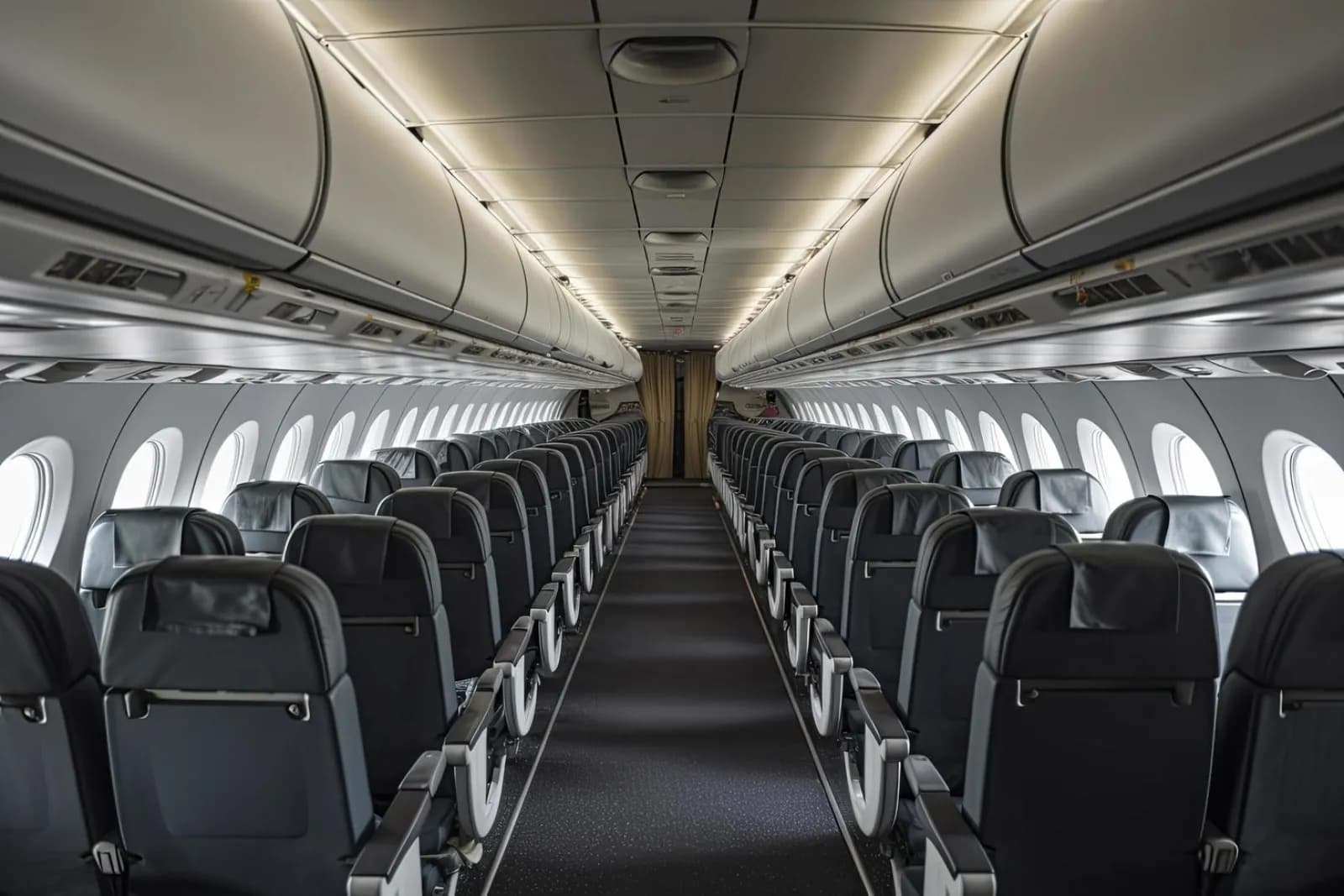
Then comes the seat map.
Window seat:
€18Aisle:
€16Front rows:
€22Two passengers flying return can suddenly add:
€18 × 2 people × 2 flights = €72A family of four can easily turn a small seat fee into a three-digit extra.
And that is exactly why seat selection should not be treated as an automatic part of buying a flight.
Sometimes it is worth every euro.
Sometimes you are paying simply because the booking screen made skipping it feel uncomfortable.
First question: what happens if you pay nothing?
This varies by airline.
Ryanair currently offers free random seat allocation during check-in for passengers who do not buy a reserved seat. The free-seat check-in window opens 24 hours before departure.
Wizz Air similarly offers a complimentary random seat if you decline paid selection, with check-in generally opening 24 hours before departure. It warns that multiple passengers on the same booking are not guaranteed adjacent random seats.
easyJet also automatically allocates seats at check-in when passengers do not pay. Its system says it tries to place people on the same booking near each other, subject to availability, but does not guarantee this.
So the starting point is important:
On these airlines, paying for seat selection is normally paying for certainty or preference—not for the basic right to have a seat.
The €15 illusion
A booking screen shows:
Seat: €15It feels minor.
But calculate the trip, not one seat on one sector.
Solo return trip:
€15 × 2 = €30Couple:
€15 × 2 passengers × 2 flights = €60Family of four:
€15 × 4 × 2 = €120Now ask:
Would I pay €120 for our preferred seating arrangement on a four-hour weekend trip?
That is the real purchase.
The Fintayo seat equation
Calculate:
TOTAL SEAT COST = seat fee × passengers × flight sectorsThen divide by the total flight fare.
Example:
4 tickets: €420 Seat selection: €120Seat selection adds:
€120 ÷ €420 = 28.6%Your €420 airfare has effectively become:
€540before bags, transfers or food.
The seat was not a €15 decision.
It increased the airfare by almost 29%.
When paying for a seat makes sense
1. You genuinely need a specific seat
Some passengers strongly prefer:
Aisle Window Front section Extra legroomFor a six-hour flight, paying €15–€25 for the seat you actually want can be reasonable.
For a 55-minute flight, the value is lower.
The question is not whether €15 is expensive.
It is:
€15 ÷ flight hoursFor a one-hour flight:
€15 per hourFor a five-hour flight:
€3 per hourThe same seat fee becomes easier to justify as flight time increases.
2. You need extra legroom
This is a different product from ordinary seat selection.
easyJet, for example, distinguishes Standard, Up Front and Extra Legroom seats, with the latter carrying additional benefits depending on the fare and product.
If you are tall, have mobility considerations or simply know that standard legroom creates a miserable four-hour flight, paying for extra space is not comparable with paying €15 just to convert seat 21B into 21A.
Evaluate:
Standard preferred seat vs actual comfort upgradeseparately.
3. You have a tight connection
A seat near the front can sometimes save useful minutes after landing.
Suppose your connection is:
55 minutesand your first flight is already 15 minutes late.
Now sitting in:
Row 4instead of:
Row 31may have practical value.
But do not overestimate it.
The aircraft may use:
- buses;
- front and rear stairs;
- remote stands;
- delayed doors.
A €25 front seat does not guarantee a fast connection.
It only improves your odds in certain airport setups.
4. You are travelling with children
This requires much more care than the standard “pay or be separated” sales message suggests.
Current policies differ.
Wizz Air says children aged 2–14 are automatically assigned next to an accompanying adult during check-in, although the entire family may not sit together.
Ryanair’s June 2026 family policy says up to four children can receive reserved seats beside the accompanying adult without an additional child seat-selection charge under its family seating system; the adult seat rules depend on the chosen arrangement.
EASA’s operational guidance says that where a child under 12 travels with an adult in the same cabin, the child should be seated in the same seat-row segment where possible, or otherwise no more than one seat row or aisle away.
That does not mean every family will automatically receive four seats in one perfect row.
Read the specific airline policy before paying for the whole family.
Example: the family overpayment
Imagine:
2 adults 2 children Return flightSeat map:
€17 eachSelecting all four each way:
€17 × 4 × 2 = €136But the airline’s child policy may already guarantee or facilitate a child sitting next to an adult.
The family may actually care only about:
Child 1 beside Adult 1 Child 2 beside Adult 2not:
All four together in one row.Those are different objectives.
Do not pay €136 for a result that the airline policy may partly provide anyway.
When we would skip seat selection
Solo traveller, short flight
Example:
Flight: 1h 20m Seat selection: €19You are travelling alone.
You have no strong window/aisle preference.
Skip it.
Your free assigned seat may be a middle seat.
For 80 minutes, the saving can easily be worth it.
Couple who can survive two hours apart
This sounds almost ridiculous, but the booking process can create strong psychological pressure:
“Seats together are running out.”
Imagine:
Return seat selection: €64 totalFlight duration:
1h 45m each wayWorst case:
You sit separately for:
3.5 total hoursYou keep:
€64Effective saving:
€18.29 per hour spent apartSome couples would happily take that trade.
The €10-per-hour rule
Here is a useful Fintayo shortcut.
Calculate:
Seat fee ÷ flight durationUnder €3 per flight hour
Usually reasonable when the preferred seat matters to you.
€3–€10 per hour
Personal choice.
More than €10 per hour
We would want a meaningful reason:
- extra legroom;
- family need;
- mobility;
- connection;
- specific work/sleep requirement.
Paying €22 to choose a standard window seat on a 70-minute flight is a very different value proposition from paying €22 on a seven-hour flight.
Seat selection can be bundled
Never buy a seat in isolation before checking the next fare tier.
Example:
Basic
Flight: €75 Seat: €17 Cabin bag: €30 Total: €122Bundle
Flight bundle: €112 Includes: Seat Cabin bag PrioritySuddenly the bundle is cheaper.
The reverse also happens.
A bundle may contain five benefits you do not need.
Compare:
Basic + only extras you will actually buywith:
bundle totalWizz Air itself distinguishes between free random seats, individually purchased seats and seat benefits included through certain bundles or memberships.
Do not buy seats twice
This sounds obvious.
Yet travellers sometimes:
- purchase a higher fare including seat selection;
- reach the seat map;
- choose a premium seat carrying an additional charge;
- assume the upgrade is included.
Always read the final basket.
Ask:
Is this seat included in my fare? or Is this seat an upgrade from the included seat?The middle-seat fear is worth a number
Suppose you dislike middle seats enough that you would pay:
€8to avoid one.
Fine.
Then €8 is your personal middle-seat value.
If the airline asks:
€24you know the answer.
Your booking decision becomes:
My value: €8 Airline price: €24 SkipThis is much more rational than becoming afraid of the seat map because only a few windows appear available.
Never judge aircraft fullness from the seat map alone
A seat map does not necessarily represent all unsold seats.
It can show:
- seats not yet selected;
- blocked seats;
- seats available for paid selection;
- passengers holding tickets but without chosen seats.
So:
Only 6 selectable seats leftdoes not necessarily mean:
Only 6 unsold tickets remain.easyJet, for example, describes seat availability displays in terms of seats still available for selection, not total unsold aircraft inventory.
Do not let a seat map manufacture urgency that is unrelated to the ticket itself.
Emergency exit seats are not for everyone
Extra legroom often means an exit-row seat.
But safety restrictions apply.
EASA rules and guidance restrict certain passengers from exit seating and set specific conditions for child-restraint locations.
Do not purchase an exit-row seat solely for legroom without checking eligibility.
The airline can move a passenger who does not meet safety requirements.
The family strategy that saves money
Instead of immediately buying four premium seats:
Step 1
Read the airline’s child seating policy.
Step 2
Define the minimum acceptable outcome.
Example:
Adult + child Adult + childrather than:
Four seats togetherStep 3
Check whether that minimum is provided by policy.
Step 4
Only pay extra if you want:
specific row specific side front cabin extra legroom everyone togetherThis separates need from preference.
The couple strategy
Ask one question:
If we are assigned separately, will it materially affect the trip?For:
50-minute flightprobably not.
For:
overnight long-haul flightpossibly yes.
The booking screen treats both the same.
You should not.
The solo strategy
Seat selection is easiest for solo travellers.
Skip the fee unless you value:
Window Aisle Extra space Front rowsmore than the displayed price.
A solo traveller has no seating-together risk.
That removes the strongest reason to pre-select a standard seat.
Copy-and-paste Seat Selection Test
AIRLINE: ROUTE: FLIGHT DURATION: PASSENGERS: ================================ SEAT PRICE PER PERSON: OUTBOUND: € RETURN: € TOTAL SEAT COST: € ================================ TOTAL AIRFARE: € SEAT COST AS % OF AIRFARE: % ================================ WHY AM I BUYING? [ ] Sit with child [ ] Sit with partner [ ] Window [ ] Aisle [ ] Extra legroom [ ] Front of aircraft [ ] Tight connection [ ] Mobility/comfort [ ] I just prefer certainty ================================ AIRLINE FREE-SEATING POLICY CHECKED? [ ] Yes [ ] No CHILD/FAMILY POLICY CHECKED? [ ] Yes [ ] Not applicable ================================ WHAT HAPPENS IF I PAY NOTHING? ______________________________ IS THAT OUTCOME ACCEPTABLE? [ ] Yes [ ] No ================================ DECISION: [ ] Pay [ ] Take free allocationThe Fintayo takeaway
Seat selection is one of the easiest airline extras to buy without calculating its real cost.
The booking interface shows:
€15Your card statement may eventually show:
€120The correct decision is not:
“Do I want this seat?”
It is:
“What happens if I do not pay, and how much is avoiding that outcome worth to me?”
For a solo passenger on a one-hour flight, the answer may be:
€0For a parent travelling with children, a tall passenger on a four-hour flight or someone with a critical connection, the answer may be much higher.
Pay for the outcome you need.
Not for the anxiety created by the seat map.