
Most people don’t fail at budgeting because they’re bad with numbers.
They fail because they create budgets they were never going to follow.
A spreadsheet that leaves no room for dining out, birthdays, vacations, or unexpected expenses might look perfect on paper, but it usually falls apart within weeks. When that happens, many people assume budgeting simply isn’t for them.
The truth is very different.
A good budget isn’t about restricting your life. It’s about giving every dollar a purpose while leaving enough flexibility to handle real life. The most successful budgets aren’t necessarily the most detailed—they’re the ones people can maintain month after month.
Whether you’re trying to stop living paycheck to paycheck, build an emergency fund, or simply understand where your money goes each month, creating a realistic budget is one of the most valuable financial habits you can develop.
Start by understanding your income
Every budget begins with one number: the amount of money that actually reaches your bank account.
For employees, this usually means your take-home pay after taxes, retirement contributions, health insurance, and other deductions.
If you’re self-employed or your income changes from month to month, calculate an average based on the last six to twelve months rather than your highest-earning month. Budgeting around unusually high income often leads to overspending during slower periods.
Your budget should be built around money you already have—not money you hope to earn.
Find out where your money is really going
Before deciding how much you should spend, it’s important to understand how you’ve been spending.
Review your last two or three months of bank and credit card statements. Most people discover at least one surprise. It might be recurring subscriptions they forgot about, frequent restaurant visits, or dozens of small purchases that never felt significant individually but add up quickly over time.
Patterns matter more than isolated expenses.
Once you understand your spending habits, you’ll be able to make informed decisions instead of guessing where your money disappears every month.
Separate needs from lifestyle choices
One of the biggest challenges in budgeting is distinguishing between expenses that are essential and those that are optional.
Housing, utilities, groceries, insurance, transportation, and minimum debt payments generally fall into the “needs” category.
Streaming services, premium subscriptions, dining out, entertainment, shopping, and vacations are typically discretionary expenses.
This doesn’t mean discretionary spending is bad.
A sustainable budget should include money for enjoying life. Eliminating every enjoyable expense often creates frustration that leads people to abandon their budgets altogether.
The goal is balance, not perfection.
Give every dollar a job
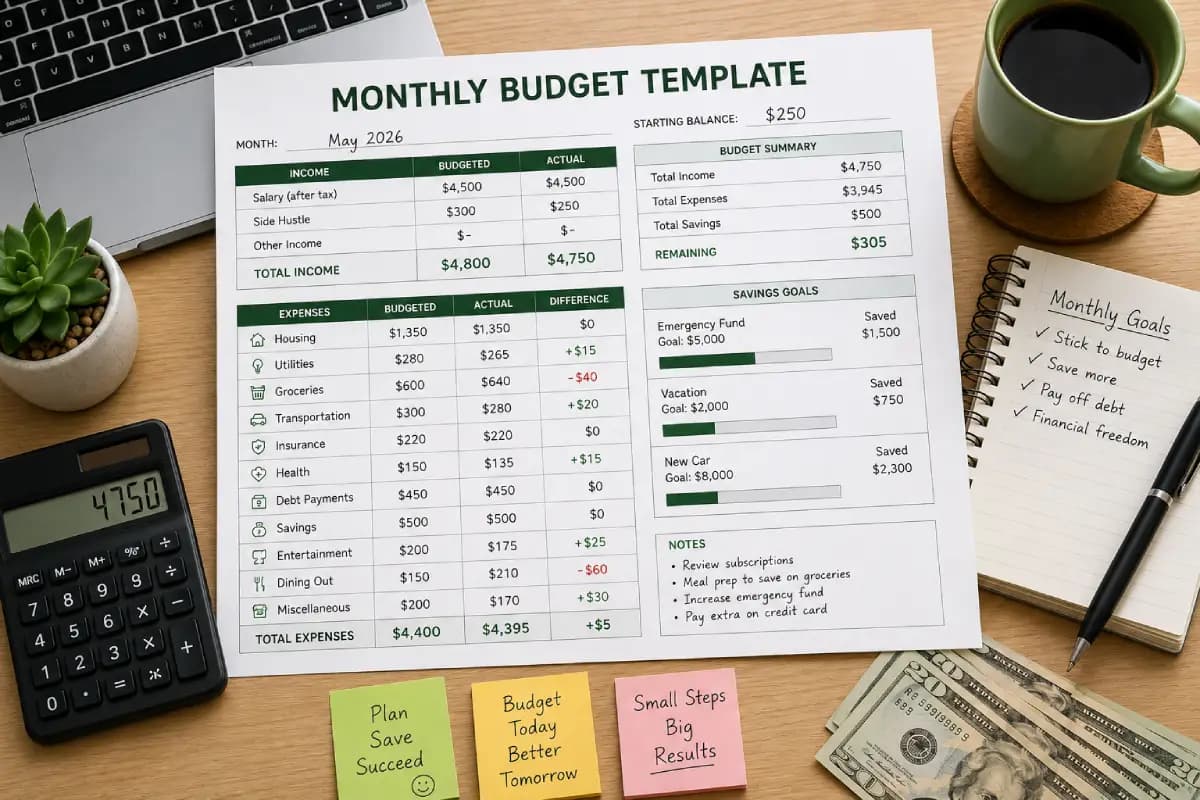
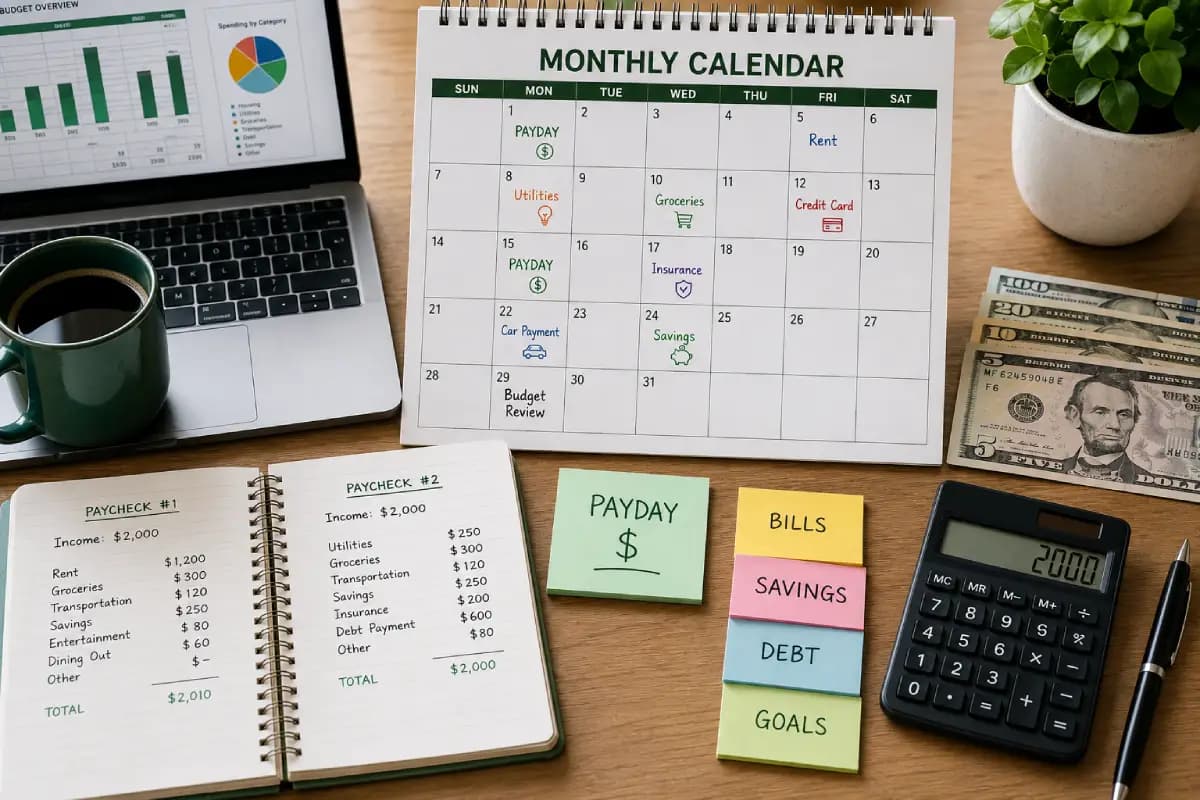
Many financial planners recommend assigning every dollar of income to a purpose before the month begins.
Some money pays bills.
Some builds savings.
Some goes toward investing.
Some covers entertainment.
When income has a clear destination, it’s much easier to avoid wondering where your paycheck disappeared.
Budgeting isn’t about tracking money after it’s gone. It’s about deciding where it should go before you spend it.
Expect the unexpected
Life rarely follows a perfect monthly schedule.
Car repairs, medical bills, school expenses, holiday shopping, home maintenance, and annual insurance premiums all appear eventually.
Instead of treating these as financial emergencies, build room for them into your budget.
Setting aside even a small amount each month for irregular expenses can prevent them from disrupting your finances later.
This is one reason many households combine budgeting with an emergency fund, creating an additional layer of financial protection when unexpected costs arise.
Review your budget every month
A budget isn’t something you create once and never revisit.
Income changes.
Expenses increase.
Goals evolve.
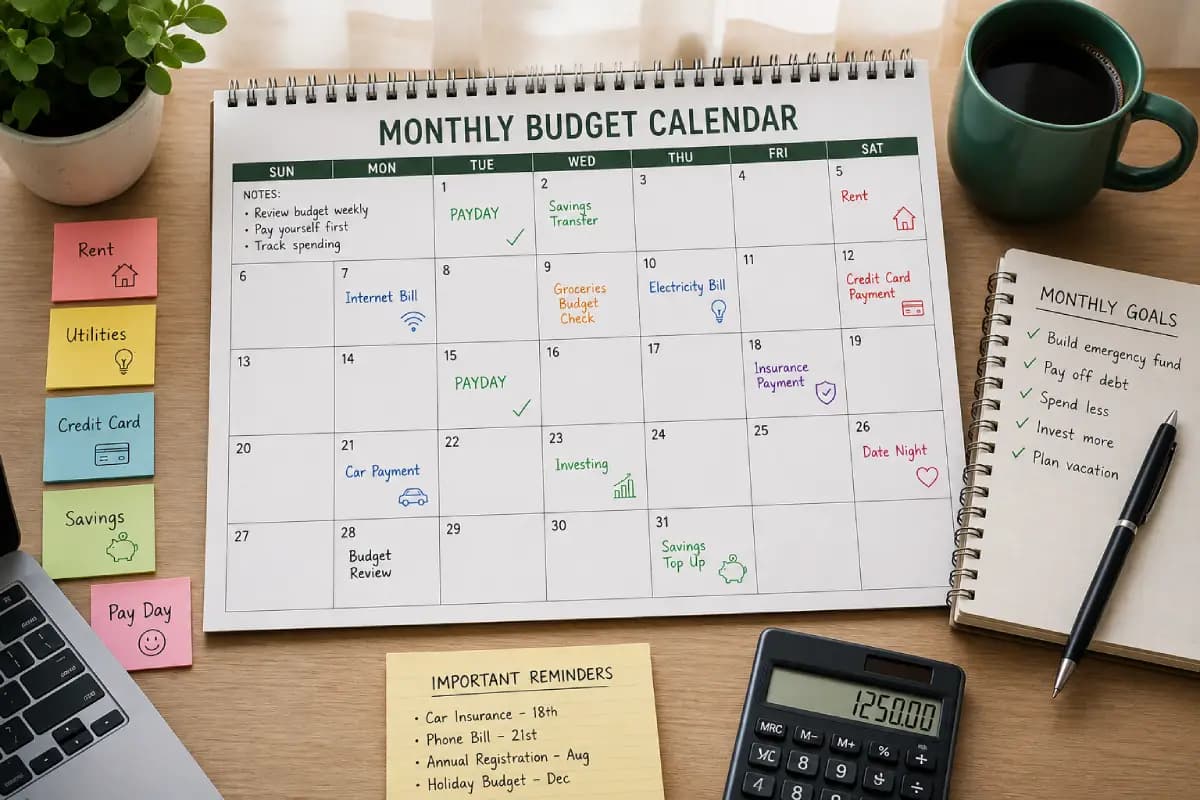
Reviewing your budget once a month allows you to adjust before small problems become larger ones. Maybe your rent increased, your insurance premium changed, or you’ve recently paid off a loan. Each of those events creates an opportunity to reassign money toward new priorities.
Financial planning works best when it evolves alongside your life.
The best budget is the one you’ll actually follow
There’s no universally perfect budgeting system.
Some people prefer the simplicity of the 50/30/20 budget rule. Others like zero-based budgeting or detailed spending categories. Many households combine several different approaches over time.
The best budget is the one that helps you spend intentionally without making everyday life feel unnecessarily restrictive.
Consistency almost always beats complexity.
Even a simple budget followed for five years will usually produce better results than an elaborate financial plan abandoned after one month.
Creating a budget isn’t about controlling every dollar. It’s about giving yourself the confidence that your money is moving you closer to the life you want.