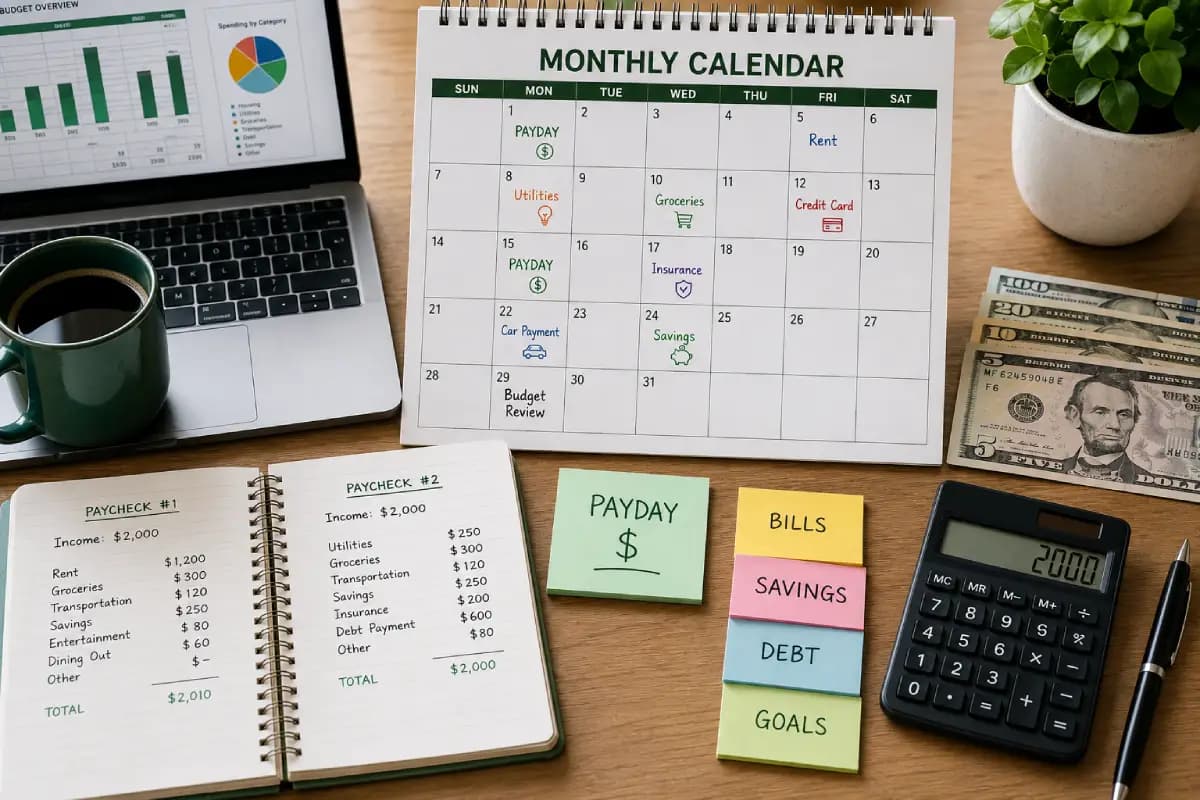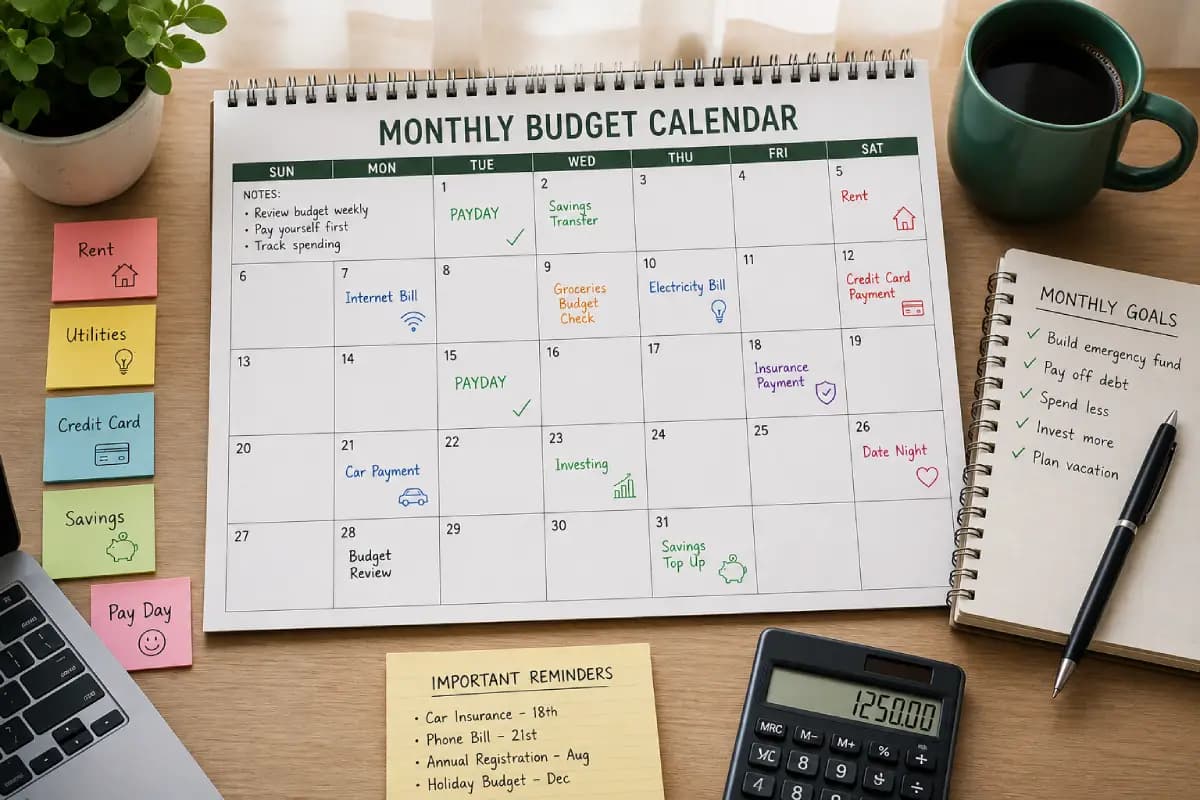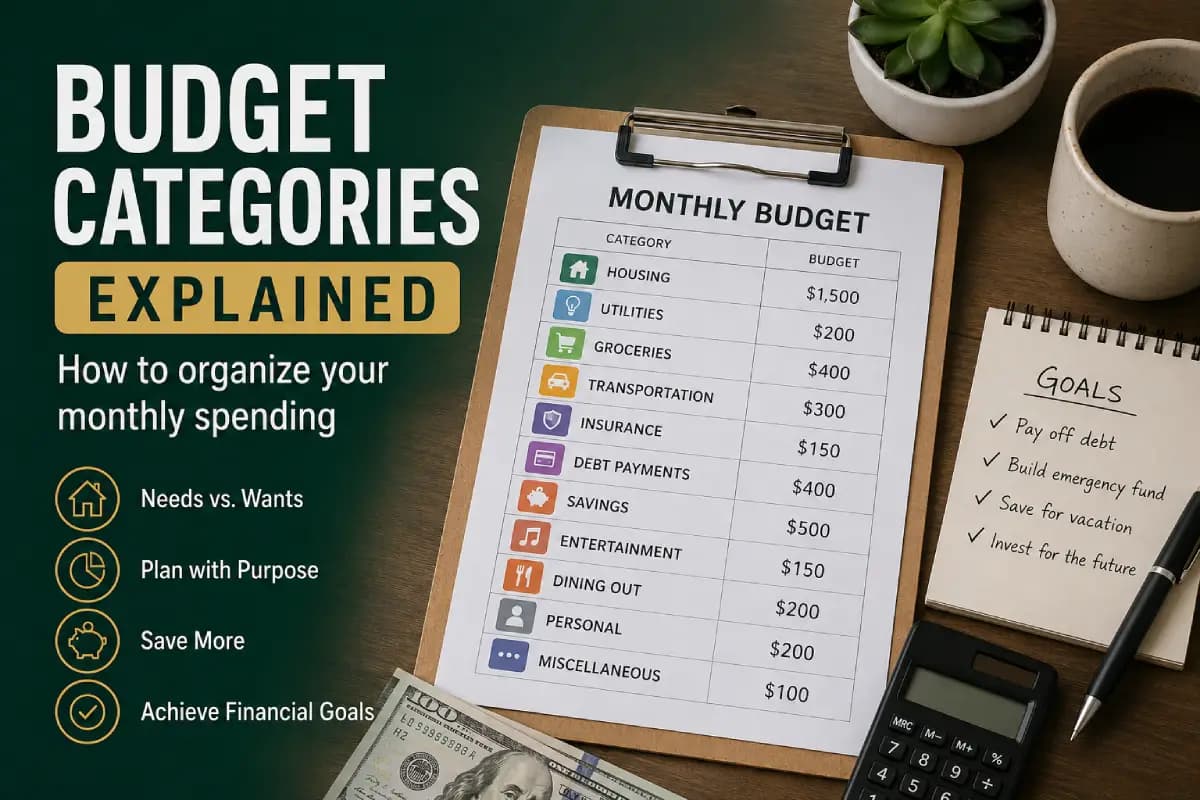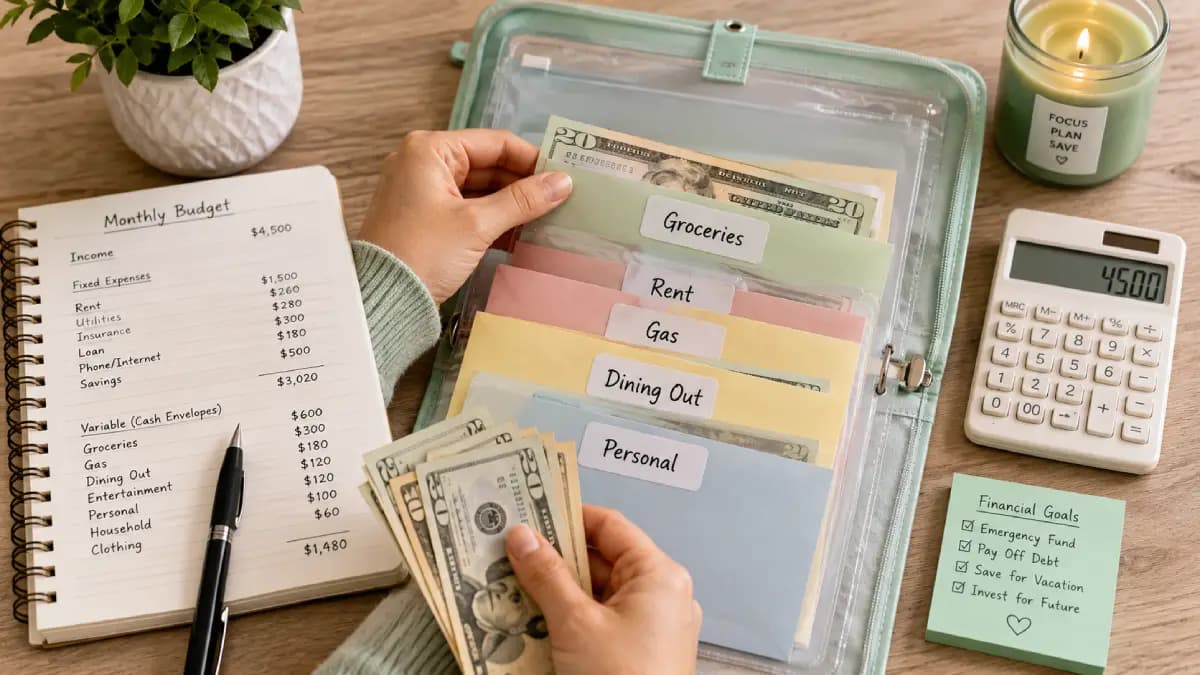
Build a realistic spending plan, manage monthly expenses and make every dollar work harder.
A budget is a practical plan for how you will use your income. It helps you cover essential expenses, prepare for future goals and make deliberate decisions about discretionary spending.
There is no single budgeting method that works for everyone. The right system depends on your income, expenses, priorities and how much structure you prefer.
Begin with the core guide, then explore individual budgeting methods and practical money decisions.
Start with the core concepts you need to understand before building your spending plan.
Compare popular budgeting systems and choose the structure that fits your financial life.


Use practical tools to test scenarios before making financial decisions.
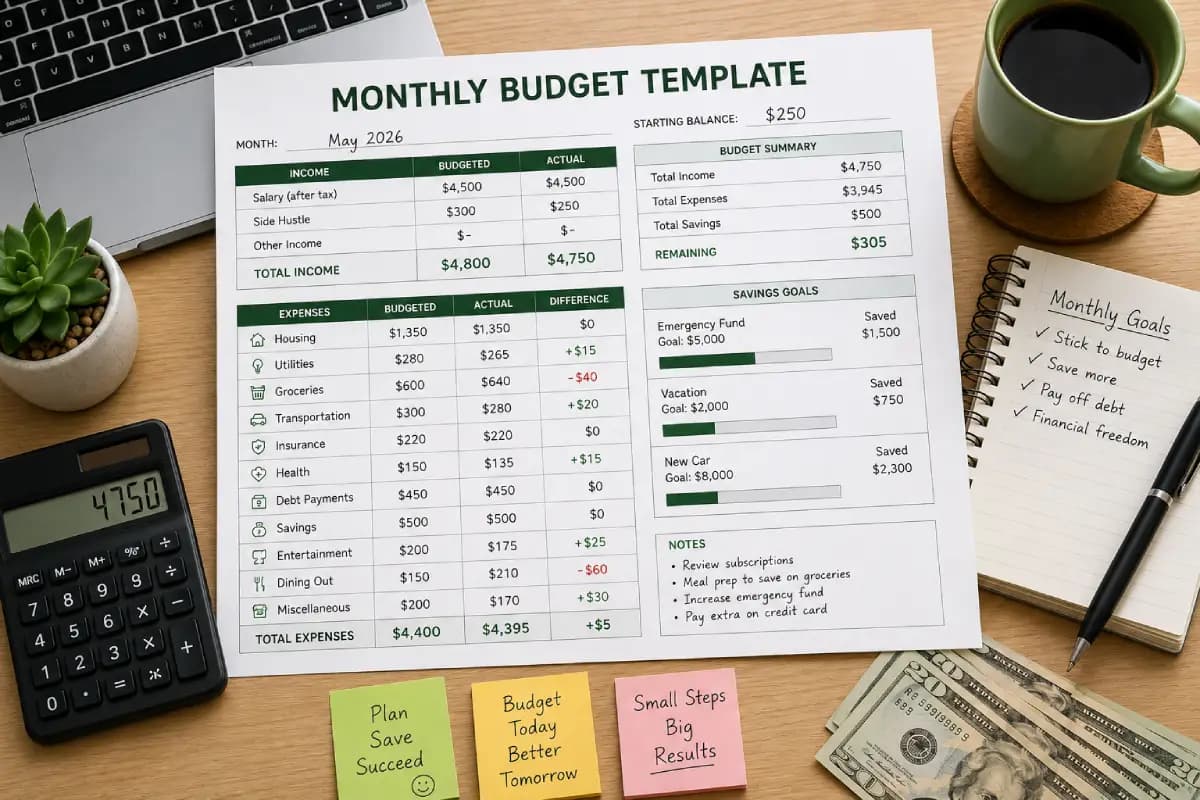
Create, track and print a monthly plan for income, expenses and financial goals.
Create a monthly spending plan and compare needs, wants and financial goals.
See how time, contributions and compound growth can affect your money.
Estimate monthly loan payments before adding debt to your budget.
A simple monthly budget or the 50/30/20 framework is often a practical starting point. The best method is one you can understand, maintain and adjust consistently.
Review your budget at least once a month. You should also update it after major changes in income, housing, debt payments or household expenses.
Start by separating essential expenses from discretionary spending. Reduce flexible costs first, review major recurring bills and look for realistic ways to increase income.
Yes. Savings should be treated as a planned budget category rather than whatever remains at the end of the month.