
Budgeting doesn’t fail because people don’t earn enough money.
More often, it fails because every paycheck arrives without a clear plan.
Money comes in, bills get paid, a few unexpected purchases appear, and by the end of the month many people are left wondering where the rest went. Even households with comfortable incomes can experience this cycle because spending naturally expands to fill whatever money is available.
Zero-based budgeting approaches the problem differently.
Instead of asking where your money went after you’ve spent it, this method asks you to decide where every dollar will go before the month even begins.
The goal isn’t to spend every dollar. The goal is to give every dollar a purpose.
Whether that purpose is paying rent, buying groceries, investing for retirement, or building an emergency fund, every dollar is assigned a job before it leaves your account.
What does “Zero-Based” actually mean?
The name often confuses people.
It doesn’t mean your bank account should reach zero.
It means that after you’ve assigned your monthly income to spending, saving, investing, and debt repayment, there shouldn’t be any dollars left without a purpose.
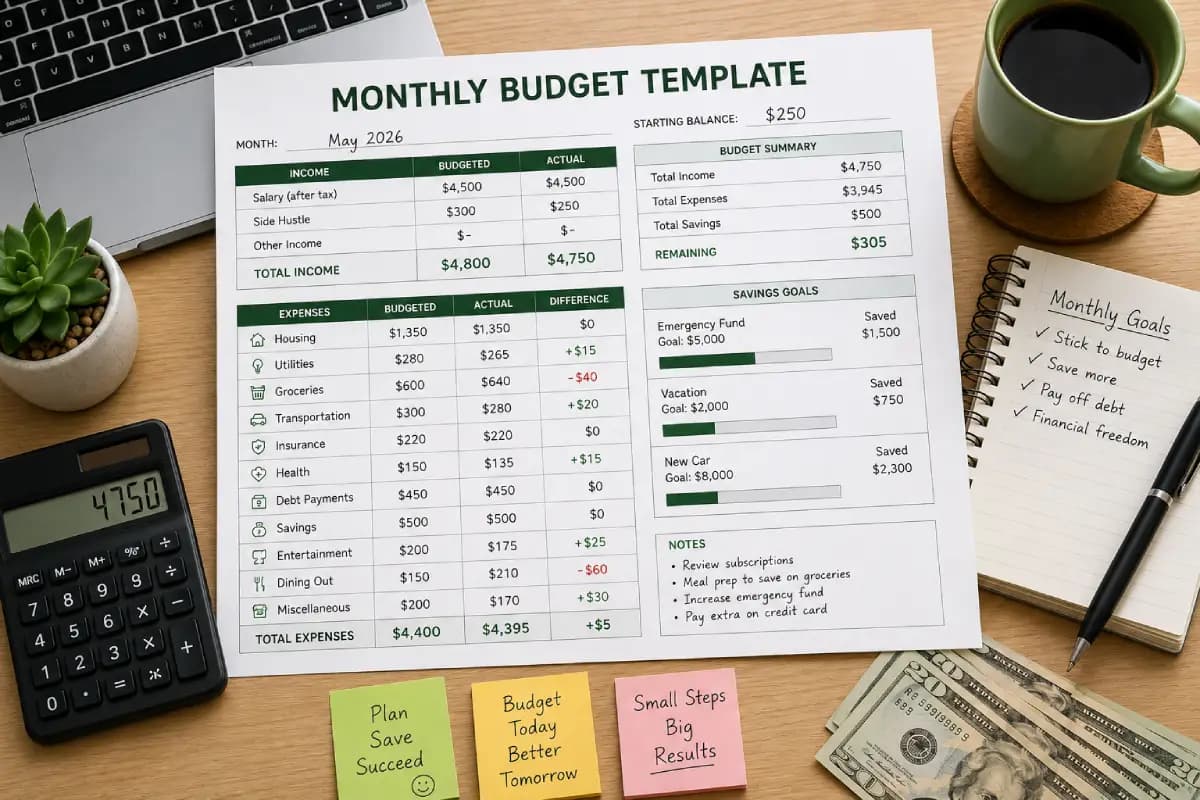
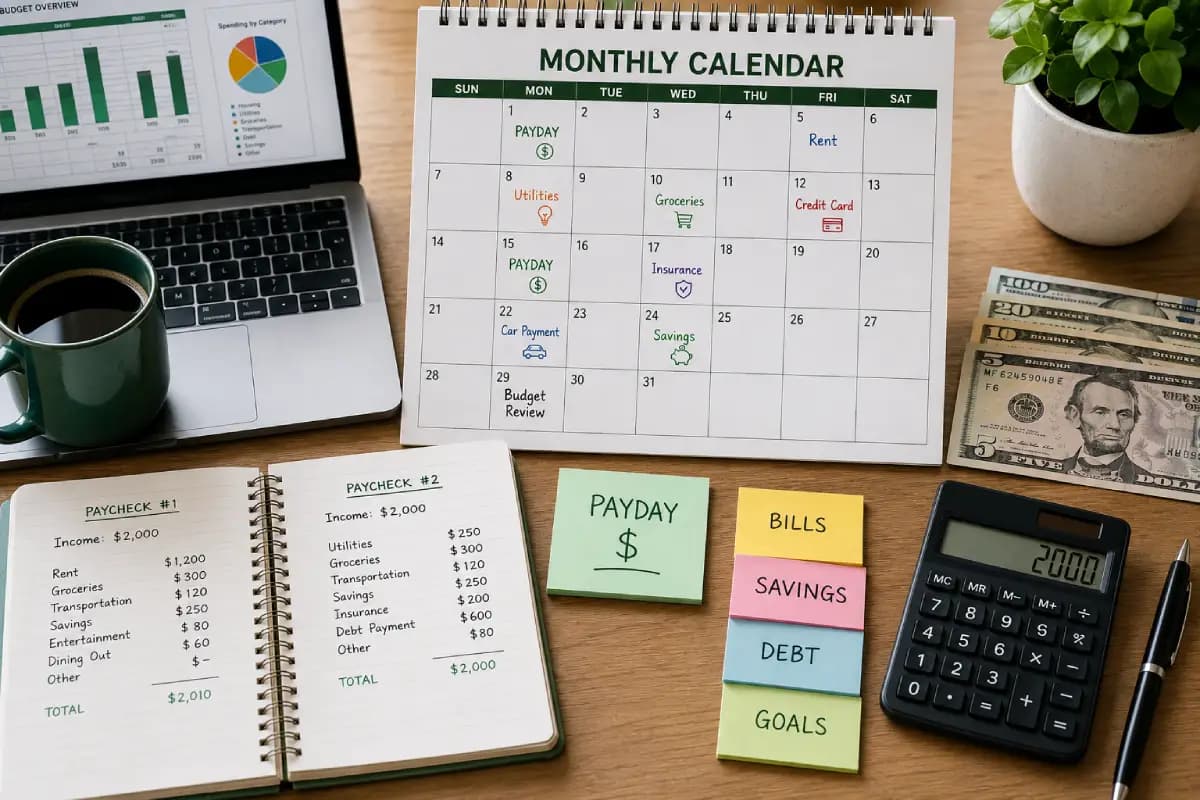
If your monthly take-home pay is $5,000, your budget should explain exactly what all $5,000 will do.
Some will pay for housing.
Some will cover transportation.
Some will build savings.
Some will fund entertainment.
Some will reduce debt.
When every dollar has a destination, unplanned spending becomes much easier to recognize and control.
Why this method works
One of the biggest advantages of zero-based budgeting is awareness.
Many people think they have a spending problem when, in reality, they have a planning problem.
Without a clear plan, small purchases rarely feel significant. A coffee here, lunch there, another streaming subscription, a few online orders—they seem harmless individually but often consume hundreds of dollars each month.
Zero-based budgeting makes those decisions visible before they happen.
Instead of reacting to spending, you’re directing it.
That shift in mindset is often more valuable than the budgeting system itself.
It’s About Priorities, Not Restrictions
Critics sometimes argue that zero-based budgeting is too strict.
In practice, it can actually create more freedom.
Nothing prevents you from budgeting for vacations, concerts, hobbies, or weekly dinners with friends. Those expenses simply become intentional rather than impulsive.
Financial guilt often comes from spending money that wasn’t planned.
When entertainment is already included in your budget, you can enjoy it without wondering whether you’re sacrificing more important goals.
A budget should support your lifestyle—not eliminate it.
The biggest mistake beginners make
Many first-time budgeters spend hours creating the perfect spreadsheet, only to ignore it after two weeks.
The problem isn’t usually the budget itself.
It’s expecting life to follow the plan perfectly.
Unexpected expenses happen.
Cars need repairs.
Medical bills arrive.
Birthdays appear.
Travel plans change.
A successful zero-based budget includes flexibility. Small adjustments throughout the month aren’t signs of failure—they’re signs that you’re managing real life instead of following a rigid template.
Is Zero-Based budgeting right for everyone?
Like every budgeting method, zero-based budgeting has strengths and weaknesses.
People with regular monthly income often find it easy to implement because they know approximately how much money they’ll have available each month.
Freelancers, commission-based employees, and business owners with fluctuating income may need a more flexible version based on conservative income estimates.
The underlying principle, however, remains valuable for almost everyone: intentional spending leads to better financial decisions.
Planning every dollar builds better habits
The greatest benefit of zero-based budgeting isn’t mathematical.
It’s psychological.
Once people begin assigning purpose to every dollar, they often become more thoughtful about every financial decision they make.
Saving becomes automatic.
Impulse purchases become easier to recognize.
Financial goals become more visible.
And perhaps most importantly, money begins to feel like a tool rather than something that constantly disappears without explanation.
Budgeting isn’t about perfection.
It’s about making sure your money reflects your priorities instead of your habits.