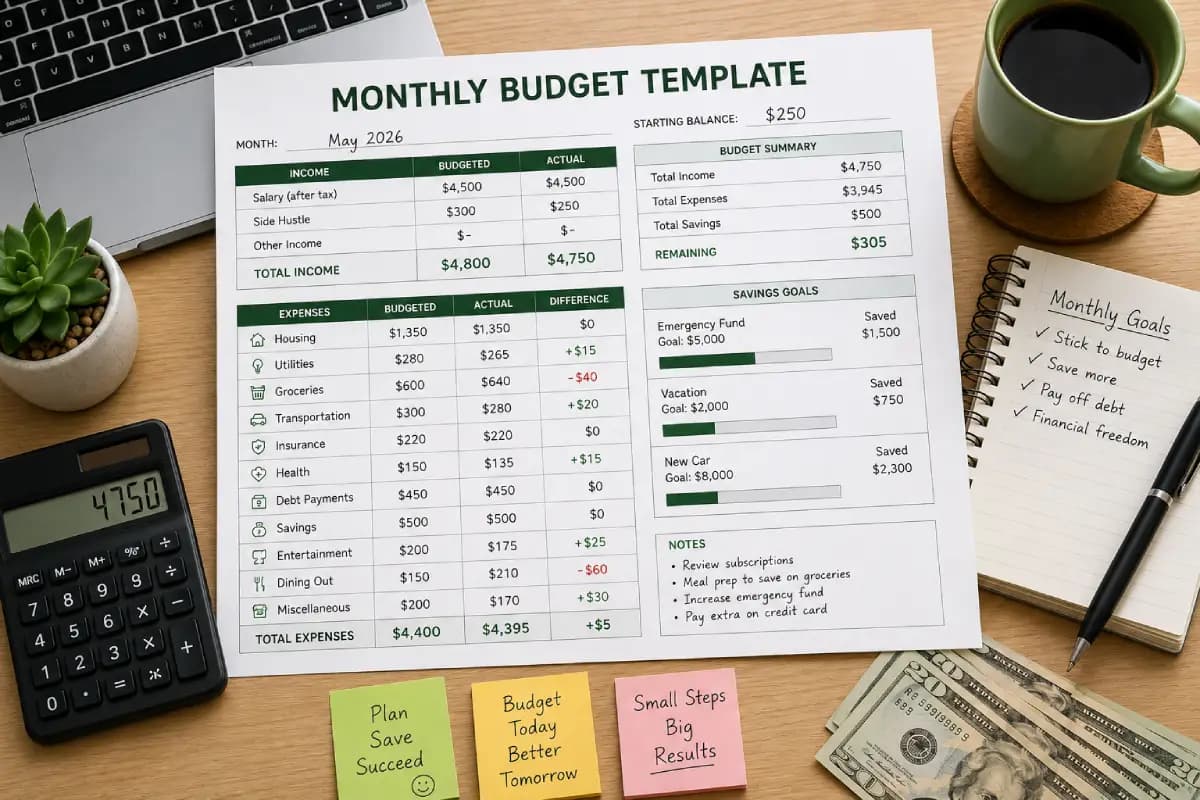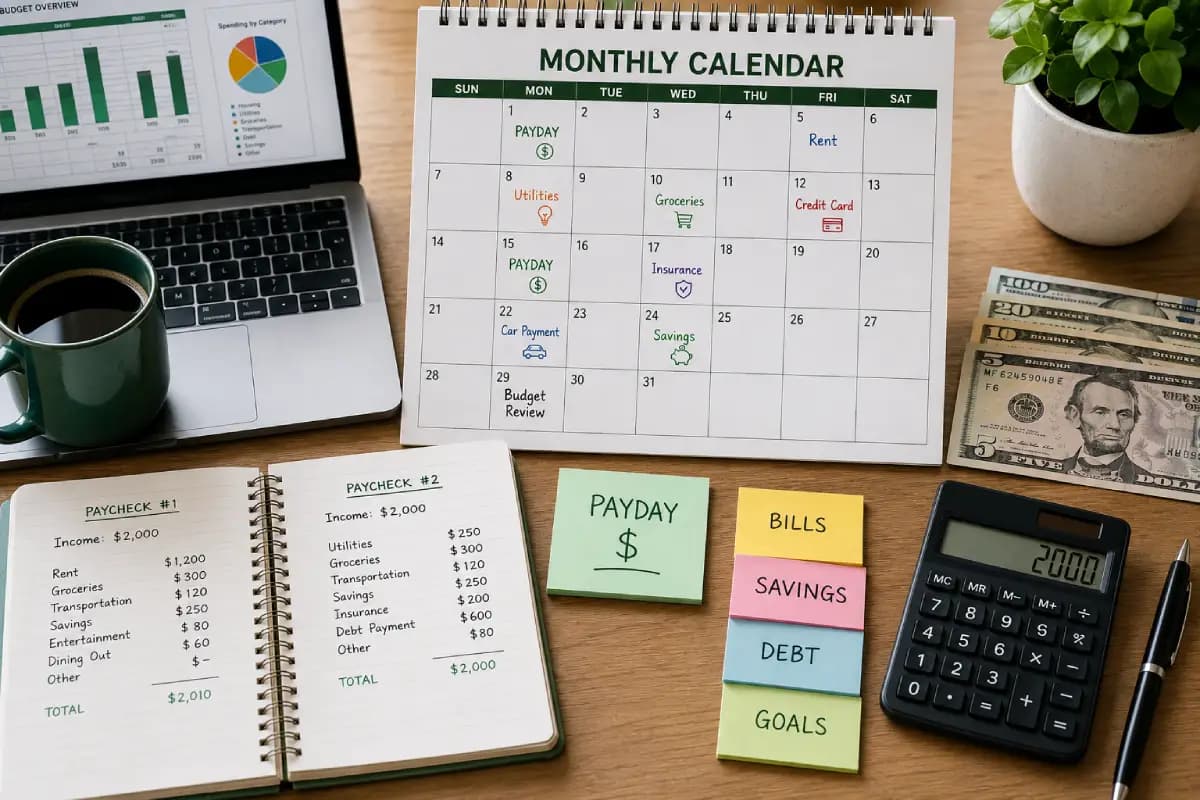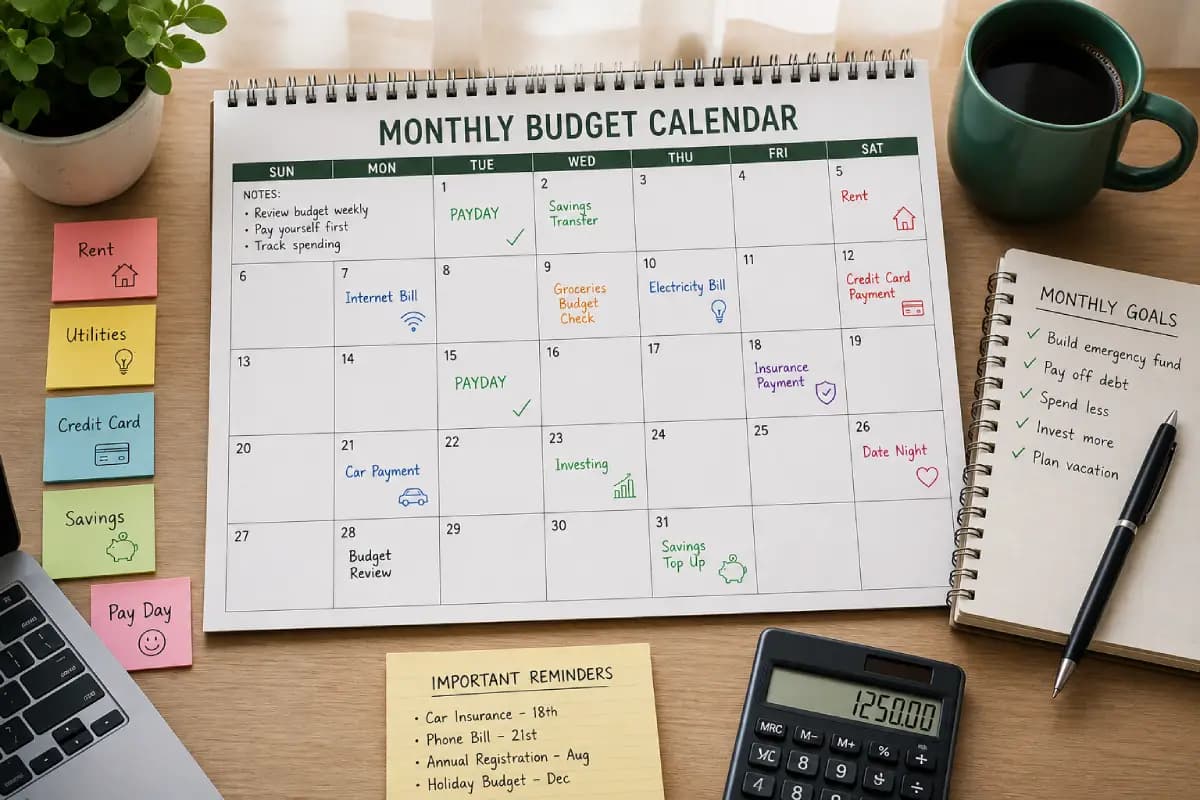
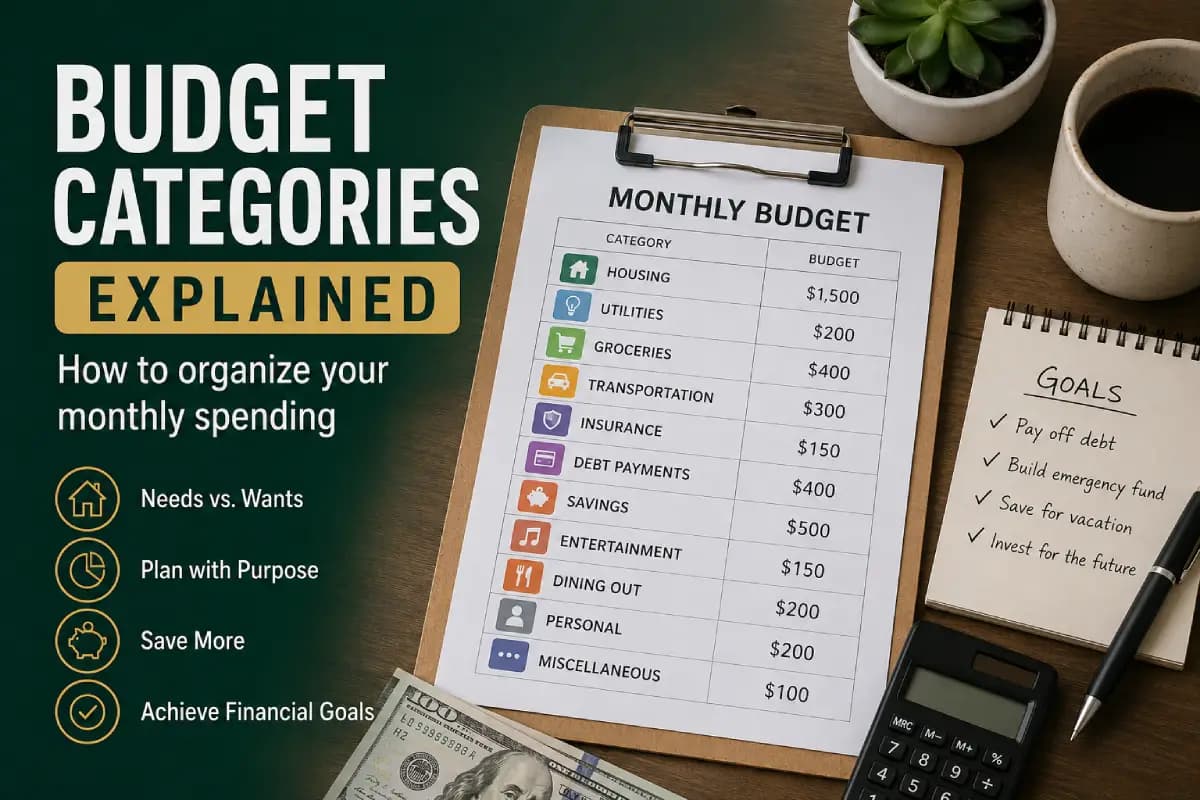
Creating a budget is one of the best ways to take control of your finances, but a budget is only as useful as the categories you build into it. Budget categories organize your income and expenses into meaningful groups, making it easier to understand where your money goes every month and where you can improve.
Whether you’re budgeting for the first time or refining an existing financial plan, choosing the right categories can make the difference between a budget that works and one that quickly falls apart.
This guide explains the most important budget categories, how to organize them, common mistakes to avoid and how to customize them for your own financial goals.
Key takeaways
- Budget categories divide your spending into organized groups.
- Most households only need 10–15 primary categories.
- Separate needs from wants to make better financial decisions.
- Review your categories every month and adjust them as your life changes.
- Your categories should reflect your own lifestyle—not someone else’s.
What are budget categories?
Budget categories are groups of expenses that help organize your monthly spending. Instead of seeing hundreds of individual transactions, categories summarize where your money is going.
For example, rather than tracking every grocery receipt individually, all food purchased from supermarkets belongs in the Groceries category.
Likewise, monthly rent, mortgage payments and property taxes belong under Housing.
This organization makes spending patterns much easier to understand.
Why budget categories matter
Without categories, it’s difficult to know whether you’re spending too much or too little in any particular area.
Imagine checking your bank account and simply seeing that you spent $4,200 this month. That number alone tells you almost nothing.
Categories reveal the story behind the numbers.
They answer questions such as:
- Are housing costs becoming too expensive?
- Are restaurant meals replacing grocery shopping?
- Is entertainment taking money away from savings?
- How much do you actually spend on transportation?
- Could one category be reduced without affecting your quality of life?
These insights help you make informed financial decisions instead of guessing.
The difference between fixed and variable expenses
Before creating categories, it helps to understand the difference between fixed and variable expenses.
| Fixed expenses | Variable expenses |
|---|---|
| Rent | Groceries |
| Mortgage | Restaurants |
| Insurance | Entertainment |
| Loan payments | Shopping |
| Internet | Fuel |
| Phone plan | Travel |
Fixed expenses usually remain similar every month, while variable expenses change depending on your spending habits.
Most budgeting improvements come from managing variable categories more effectively.
Good to know
Variable expenses are often the easiest place to find savings because they can usually be adjusted without changing your income.
The essential budget categories every household should have
Although every household is different, most budgets can be built around the same core categories.
1. Housing
Housing is usually the largest expense in any budget.
This category may include:
- Rent
- Mortgage payments
- Property taxes
- HOA fees
- Home maintenance
- Repairs
- Furniture replacement
Financial planners generally recommend keeping housing costs below 30% of take-home income whenever possible.
2. Utilities
Utilities include the services needed to operate your home.
- Electricity
- Water
- Gas
- Internet
- Mobile phone
- Trash collection
Although some utility bills fluctuate seasonally, grouping them together makes monthly planning easier.
3. Groceries
This category should include food purchased for home consumption.
Many people mistakenly combine groceries with restaurants, making it difficult to see where money is actually going.
Keeping them separate provides a much clearer picture.
4. Transportation
Your transportation category might include:
- Gasoline
- Public transportation
- Vehicle maintenance
- Parking
- Tolls
- Car registration
- Ride-sharing services used for commuting
If you own multiple vehicles, consider tracking maintenance separately.
5. Insurance
Insurance protects your finances against unexpected losses.
Typical expenses include:
- Health insurance
- Auto insurance
- Homeowners insurance
- Renters insurance
- Life insurance
- Disability insurance
Because many policies renew annually, it’s important to include them in your long-term budget planning.
6. Debt payments
This category includes all required debt obligations.
- Credit cards
- Student loans
- Personal loans
- Auto loans
- Mortgage (if you prefer tracking separately from housing)
Tracking debt payments separately makes it easier to measure progress toward becoming debt-free.
7. Savings
One of the biggest budgeting mistakes is treating savings as whatever remains at the end of the month.
Instead, savings should become a mandatory category.
Examples include:
- Emergency fund
- Vacation savings
- Home down payment
- Retirement investing
- Sinking funds
Pay yourself first before spending money elsewhere.
Our guide to building an emergency fund explains why this category should always be funded first.
8. Dining out
Restaurants deserve their own category.
Many households underestimate how much they spend on takeout, coffee and dining with friends.
Keeping restaurants separate from groceries often reveals surprising spending patterns.
9. Entertainment
Entertainment covers the activities you enjoy outside of work and daily responsibilities. While this category isn’t essential for survival, it is important for maintaining a balanced lifestyle.
Examples include:
- Streaming services
- Movie tickets
- Sporting events
- Concerts
- Books
- Video games
- Hobbies
If entertainment spending regularly exceeds your target, consider creating separate limits for subscriptions and leisure activities.
10. Personal spending
This category covers purchases made only for yourself.
- Clothing
- Shoes
- Haircuts
- Cosmetics
- Gym memberships
- Personal care products
Separating personal spending from household expenses makes it easier to identify impulse purchases.
11. Healthcare
Healthcare expenses often vary throughout the year.
This category may include:
- Doctor visits
- Prescription medications
- Dental care
- Vision care
- Medical equipment
- Co-payments
Even if you have health insurance, budgeting for out-of-pocket medical costs is important.
12. Children and education
Families with children often benefit from a dedicated category.
- School supplies
- Childcare
- Sports activities
- Extracurricular lessons
- School lunches
- College savings
13. Pets
Pet owners should consider a separate category for recurring expenses.
- Food
- Veterinary care
- Medication
- Grooming
- Toys
- Pet insurance
14. Gifts and holidays
Birthdays, holidays and celebrations often surprise people—not because they are unexpected, but because they aren’t included in the monthly budget.
Create a dedicated category and contribute a small amount every month.
15. Travel
If vacations are important to you, treat them like any other financial goal.
Saving a small amount every month is much easier than trying to pay for an entire trip at once.
Should you use sinking funds?
Sinking funds are categories created for expenses that don’t occur every month but are guaranteed to happen eventually.
| Sinking fund | Monthly contribution |
|---|---|
| Christmas | $50 |
| Car repairs | $75 |
| Vacation | $150 |
| Home maintenance | $100 |
| Annual insurance | $80 |
Instead of scrambling when these expenses arrive, the money is already waiting.
Pro tip
Sinking funds are one of the biggest differences between people who constantly rely on credit cards and those who stay financially prepared.
Sample monthly budget categories
| Category | Example allocation |
|---|---|
| Housing | 30% |
| Utilities | 7% |
| Groceries | 12% |
| Transportation | 10% |
| Insurance | 6% |
| Debt payments | 10% |
| Savings | 15% |
| Entertainment | 3% |
| Dining out | 3% |
| Personal spending | 4% |
These percentages are only examples. Every household should adjust them according to its own priorities.
Common budgeting mistakes
Using too many categories
More categories don’t necessarily create a better budget. If your budget contains 40 different categories, maintaining it becomes exhausting.
Ignoring irregular expenses
Annual insurance premiums, vehicle registration and holiday shopping should never be surprises.
Combining groceries with restaurants
This is one of the most common budgeting mistakes. Keeping them separate gives you much better visibility into discretionary spending.
Never reviewing your categories
Your financial life changes over time. Categories should change as well.
How often should you review your budget?
A monthly review is ideal.
During each review, ask yourself:
- Which categories went over budget?
- Which categories consistently have money left over?
- Are there expenses that should become separate categories?
- Can I increase my savings rate?
- Do my categories still reflect my priorities?
How budget categories fit with other budgeting methods
Budget categories work with almost every budgeting system.
Regardless of the budgeting method you choose, categories remain the foundation of your financial plan.
Bottom line
Budget categories transform a simple list of expenses into a practical financial roadmap. By grouping similar expenses together, you gain a clearer understanding of where your money goes and where improvements can be made.
Start with the essential categories, keep the system simple and review it every month. As your financial situation evolves, your categories should evolve too.
A good budget isn’t about restricting your life—it’s about giving every dollar a purpose so you can spend with confidence and save for the future.
Frequently asked questions
How many budget categories should I have?
Most households only need between 10 and 15 primary categories.
Should savings be treated as a category?
Yes. Savings should be one of the first categories funded each month, not whatever money is left over.
Can I create my own budget categories?
Absolutely. Your budget should reflect your lifestyle, financial goals and spending habits.
What category should emergency savings belong to?
Emergency savings should have its own dedicated savings category to ensure it receives regular monthly contributions.
How often should I change my categories?
Review them every month and make adjustments whenever your income, expenses or financial priorities change.
Should I budget for fun?
Yes. A realistic budget includes room for entertainment and personal enjoyment. Budgets that eliminate all discretionary spending are often difficult to maintain over the long term.